Showing posts with label Food. Show all posts

Sunday, March 7, 2010

13 magical uses for cucumbers

Sasha Wyatt-Minter

The humble cucumber is actually a little gem. And not just for its nutritional benefits...

1. Cucumbers contain most of the vitamins you need every day

Just one cucumber contains Vitamin B1, Vitamin B2, Vitamin B3, Vitamin B5, Vitamin B6, Folic Acid, Vitamin C, Calcium, Iron, Magnesium, Phosphorus, Potassium and Zinc.

2. Feeling tired in the afternoon? Put down the caffeinated soda and pick up a cucumber

Cucumbers are a good source of B vitamins and carbohydrates that can provide that quick pick-me-up that can last for hours.

3. Tired of your bathroom mirror fogging up after a shower?

Try rubbing a cucumber slice along the mirror: it will eliminate the fog and provide a soothing, spa-like fragrance.

4. Are grubs and slugs ruining your planting beds?

Place a few slices in a small pie tin and your garden will be free of pests all season long. The chemicals in the cucumber react with the aluminum to give off a scent undetectable to humans but drive garden pests crazy and make them flee the area.

5. Looking for a fast and easy way to remove cellulite before going out or to the pool?

Try rubbing a slice or two of cucumbers along your problem area for a few minutes. The phytochemicals in the cucumber cause the collagen in your skin to tighten, firming up the outer layer and reducing the visibility of cellulite. Works great on wrinkles too!

6. Want to avoid a hangover or terrible headache?

Eat a few cucumber slices before going to bed and wake up refreshed and headache free. Cucumbers contain enough sugar, B vitamins and electrolytes to replenish essential nutrients the body has lost, keeping everything in equilibrium, and avoiding both a hangover and headache!

7. Looking to fight off that afternoon or evening snacking binge?

Cucumbers have been used for centuries and often by European trappers, traders and explorers for quick meals to thwart off starvation.

8. Have an important meeting or job interview and you realize that you don't have enough time to polish your shoes?

Rub a freshly cut cucumber over the shoe. Its chemicals will provide a quick and durable shine that not only looks great but also repels water.

9. Need to fix a squeaky hinge?

Take a cucumber slice and rub it along the problematic hinge, and voila, the squeak is gone!

10. Stressed out and don't have time for a massage, facial or visit to the spa?

Cut up an entire cucumber and place it in a boiling pot of water. The chemicals and nutrients from the cucumber with react with the boiling water and be released in the steam, creating a soothing, relaxing aroma that has been shown the reduce stress in new mothers and college students during final exams.

11. Just finished a business lunch and realize you don't have gum or mints?

Take a slice of cucumber and press it to the roof of your mouth with your tongue for 30 seconds to eliminate bad breath. The phytochemcials will kill the bacteria in your mouth responsible for causing bad breath.

12. Looking for a 'green' way to clean your taps, sinks or stainless steel?

Take a slice of cucumber and rub it on the surface you want to clean; not only will it remove years of tarnish and bring back the shine, but it won't leave streaks and won't harm you fingers or fingernails while you clean.

13. Using a pen and made a mistake?

Take the outside of the cucumber and slowly use it to erase the pen writing. Also works great on crayons and markers that the kids have used to decorate the walls!


Monday, February 15, 2010

Toxins in our food supply; foods meant to nourish us could be killing us

Dr. Oz says we are in a worldwide crisis due to the toxic pollution in our food supply. New studies show that we are more at risk now than ever before. The environmental crisis is now affecting our food through mercury, pesticides and bisphenol A. These toxins can wreak havoc on our bodies, causing damage to vital organs as well as cancer.


Mercury High levels of mercury can lead to developmental problems in babies. It can also damage the heart, kidneys and brains of adults. 8% of women have dangerously elevated levels of mercury in their blood. 90% of the mercury comes from fish. An EPA study found mercury in every freshwater fish that was tested. There has been no safe level of mercury found in humans.

Mercury Poisoning

  • fatigue
  • headache
  • trouble thinking
  • tremors
  • unsteady gait

Pesticides Has been known to cause cancer and ravage the nervous system. Nearly 1/3 of all fruits and vegetables sold in the U.S. are coated with pesticides. Dr. Alan Greene advised the public not to panic and stop eating fruits and vegetables because they are good for you. Pesticides can be directly toxic or neurotoxins. The higher the levels of pesticide that were found in children involved in a study in New York showed the kids had higher incidences of ADHD, autism, and learning disabilities. In a study with animals that were fed the same diet and had same exercise plan, those exposed to pesticides weighed 10% more. Dr. Green recommends eating organic fruits and vegetables as it does lower your exposure to pesticides.


Bisphenol A
Has been linked to ovarian cancer, breast cancer and diabetes. 93% of Americans have BPA in their bodies from plastics. More information on what to look for, safe alternatives and how to cut your exposure of BPA.

How to limit exposure to toxins

  • Buy organic (it is more expensive but to save costs stick to organic apples and potatoes because of the higher amount of consumption and higher levels of pesticides). It has also been advised to purchase organic fruits and vegetables that are thinned skinned due to the risk of the pesticides contaminating the inside
  • Eat fish lower in mercury (salmon) (eat younger, smaller fish like herring and sardines) Avoid or eat rarely: Ahi tuna, swordfish, tilefish. Albacore tuna had more mercury than chunk light tuna. Chunk light tuna is ok twice a week. Albacore once a week. It can be canned or pouch.
  • Choose fresh when possible. Frozen is second best. Choose boxes, glass or alternative packaging over cans.

For organic foods in Norfolk, visit Organic Food Depot.

More information: Healthy foods,Top Ten Superfoods and Eat This, Not That and Toxins in your home.

http://www.examiner.com/x-32805-Norfolk-Healthy-Living-Examiner~y2010m2d9-Dr-Oz-Recap-Toxins-in-our-food-supply-foods-meant-to-nourish-us-could-be-killing-us

Thursday, January 7, 2010

'Grey goo' food laced with nanoparticles could swamp Britain

Last updated at 12:01 AM on 08th January 2010

Britain is on the brink of a massive expansion in foods containing controversial 'grey goo' nanoparticles, according to the former head of the Food Standards Agency.

Low-calorie chocolate and beer that doesn't go flat could be on sale within just five years, Lord Krebs said last night.

However, he and other peers believe there will be no requirement for the hi-tech products to be labelled as containing nanoparticles - microscopic compounds that can worm their way into the brain, liver and kidneys with unknown consequences.

But critics said the public have the right to know what they are putting into their bodies, and point out that new legislation will mean that cosmetics that contain nanoparticles will have to be clearly labelled.

Once derided by Prince Charles as 'grey goo', nanoparticles are tiny particles - 300 million would fit in a pinhead - with powerful properties that make them of interest to food companies. READ MORE

http://www.dailymail.co.uk/news/article-1241506/Britain-maybe-swamped-nanoparticle-grey-food.html

Bacteria Linked To Feces Found In Nearly Half Of Fast Food Soda Fountains


http://www.huffingtonpost.com/2010/01/06/fecal-bacteria-found-in-n_n_413733.html

Saturday, December 12, 2009

Hallam, Nebraska's Prairieland Dairy - "all natural" promotion means the cows get no hormone injections or antibiotics


Prairieland on a roll in milk production

The "all natural" promotion of the product means the cows get no hormone injections to boost their milk production and no antibiotics in their feed.


HALLAM, NEBRASKA - Dec 12, 2009 - The management at Prairieland Dairy feeds its 1,500 cows distillers' grain from the Adams ethanol plant, leftover cereal mix from US Foods in Lincoln and something called "spent brewers grain" from the microbrewery operation at Lazlo's Brewery and Grill.

They make compost for springtime gardeners and all-natural eggnog for Christmas. They use odorless, tasteless seaweed as the binding agent in their chocolate milk. The cows move back and forth through a tunnel under the road.

And if seemingly endless innovation goes according to plan, Prairieland is on its way to selling every drop of the 12,000 gallons of milk it produces a day near Firth into the Lincoln market.

"Right now we're focused on Lincoln," said marketing director Terry Landes. "And if we could be Lincoln's hometown dairy, we'd be fine."

In their first year of processing and direct marketing, sales already have reached 6,000 gallons a week.

"We go in every day with the attitude it's going to happen," Landes said of the longer-term goal.

This isn't the first time the dairy plant 14 miles away at Hallam has been a launching pad for big dreams.

In 2006, smaller dairy farmers and business partners Rex DeFrain of Fairbury and Jerry Bond of Avoca carved out some space in the dairy section in Lincoln stores from the same processing point, using glass bottles for eye appeal and flavors as exotic as root beer.

It all came apart in 2008, largely because of their inability to find other farmers willing to break ranks with the Dairy Farmers of America cooperative and sell milk to their Legacy Dairy to keep up with demand.

Prairieland, formed earlier from dairy farms at Firth, Beatrice and Falls City, acquired the plant from the bank a year ago.

"All the milk comes from our farm," Landes said. "That's our approach."

Rather than trying to pry producers out of the DFA hierarchy, they remain in the DFA supply line themselves and buy back part of their own milk for the Hallam plant.

"It's a bit of an insurance policy," Landes said of the continuing DFA association.

But so far, there's nothing to suggest that the boom phase at Prairieland is about to go bust.

"The last three months, we've doubled every month," Landes said.

The product selection, all sold under the Prairieland label, is built around white and chocolate milk, cream and half-and-half. And the stores on the delivery list include such familiar names as Russ's, Hy-Vee and Ideal.

The "all natural" promotion of the product means the cows get no hormone injections to boost their milk production and no antibiotics in their feed.

The local origin of the milk supply is also a big selling point.

A Prairieland brochure features a woman in 1950-style attire working on her milk mustache and seemingly pondering the question printed just above her: "Do you know where your milk comes from?"

For all their innovative zeal, Prairieland partners would like to take their customers back to the days when the answer to that question was a lot clearer.

The idea of local food is no longer just a fad, Landes said. "We're beyond the fad standard. It's a fad like the Internet is a fad."

http://www.journalstar.com/business/local/article_e7880564-e6be-11de-98a7-001cc4c03286.html

Wednesday, December 9, 2009

AP | McDonald's sales take hit from US joblessness

McDonald's US sales decline deepens as joblessness, competition catch up to burger chain

CHICAGO (AP) -- The supersized recession that was a boon for business last year caught up further with McDonald's Corp. in November, as high unemployment ate into sales ...

READ MORE:

http://finance.yahoo.com/news/McDonalds-sales-take-hit-from-apf-3524063237.html?x=0

Tuesday, December 8, 2009

Dr. Mercola | Top 12 Foods for Healthy Immune Response

December 08 2009

The 2009 flu season is upon us.

Staying well while those around you sniffle and sneeze requires that you extract as much nutrition from your diet as you can, loading up on the foods that pack the biggest nutritional punch.

Avoiding processed foods, grains and sugar will go a long way toward strengthening your immune system. However, you can do even more by selecting foods that are loaded with specific immune boosting nutrients.

Eating a diet rich in the following foods will be far better for your health than loading up on handfuls of supplements, or worse yet, falling victim to vaccines that expose you to health risks far worse than influenza.

Below, I have outlined what I consider to be the absolute best foods you can eat to help protect yourself this season, although the list is certainly not exhaustive.

1. Unpasteurized Grass-Fed Organic Milk
Raw organic milk from grass-fed cows contains beneficial bacteria that prime your immune system and can reduce allergies. It is an outstanding source of vitamins, especially vitamin A, zinc, and enzymes. Raw organic milk is not associated with any of the health problems of pasteurized milk such as rheumatoid arthritis, skin rashes, diarrhea and cramps.
Raw milk also contains beneficial fats that will help your immune system.
Although raw milk availability is limited in the US depending on where you live, you can locate the source closest to you at RealMilk.com.
Whey Protein
Even if you don’t have access to raw milk, you can use a high-quality whey protein that comes from grass-fed cows to receive much of the same health benefits.
The protein in milk is whey protein. Whey is the liquid that separates from the curd during the production of cheese. When the liquid dries into powdered whey, the nutrients become concentrated, and it can be packaged and used in that form.
Whey protein can help you fight off colds and flu because it contains beta-glucans and immunoglobulins, which protect your immune system and support your body’s natural detoxification processes.

2. Fermented Foods
If you are serious about boosting your immunity, then adding traditionally fermented foods is essential.
One of the most healthful fermented foods is kefir. Kefir is an ancient cultured, enzyme-rich food full of friendly microorganisms that balance your “inner ecosystem” and strengthen immunity. Besides kefir, other good fermented foods include natto, kimchee, miso, tempeh, pickles, sauerkraut, yogurt (watch for sugar), and olives.
Friendly bacteria have a powerful, beneficial effect on your gut’s immune system, your first line of defense against pathogens, and aid in the production of antibodies.

3. Raw Organic Eggs from Free-Range Chickens
Before you wrinkle up your nose, raw eggs are an inexpensive and amazing source of high-quality nutrients that many people are deficient in, especially high-quality protein and fat. I am a proponent of raw eggs because they have been so helpful to my own health.
As long as you have a good source for fresh, organic raw eggs, you need not worry about salmonella. To find free-range pasture farms, try your local health food store, or go to http://www.eatwild.com or http://www.localharvest.org.

4. Grass-Fed Beef or Organ Meats
This recommendation is only valid if you are a protein or mixed nutritional type as carb types really should not be eating beef. Grass-fed beef comes from cows that eat what they were meant to eat—grasses, not corn or grains. This results in far greater health benefits for you and for the environment[i] .
Grass-fed beef is very high in vitamins A and E, omega-3 fatty acids, beta carotene, zinc and CLA. CLA (conjugated linoleic acid, a fatty acid) is three to five times higher in grass-fed animals than grain-fed animals and is an immune system enhancer.
Don’t confuse “organic” with grass-fed, since many organically raised cows are still fed organic corn, which you don’t want. However, most grass-fed cows are raised organically. And if you can find organic AND grass-fed, that’s ideal.

5. Coconuts and Coconut Oil
Besides being excellent for your thyroid and your metabolism, coconut oil is rich in lauric acid, which converts in your body to monolaurin. Monolaurin is the actual compound found in breast milk that strengthens a baby’s immunity.
A great deal of research has been done establishing the ability of lauric acid to enhance immunity. This medium-chain fatty acid (MCFA) actually disrupts the lipid membranes of offending organisms.
When selecting coconuts and coconut oil, make sure you choose organic ones that are unrefined, unbleached, made without heat processing or chemicals, and are non-GMO.

6. Locally Grown Organic Vegetables Appropriate for Your Nutritional Type
When it comes to fighting off pathogens, you simply can’t do any better than eating a variety of fresh, organic and preferably raw vegetables for the vitamins, minerals, antioxidants and enzymes they contain. However, the amount and type of vegetables you should eat daily will depend on your nutritional type.
Make sure the veggies you choose are fresh. The nutrient value drops to practically zero once a fruit or vegetable is canned. For example, take a look at the ORAC value of peaches.
ORAC Values
ORAC stands for Oxygen Radical Absorbance Capacity, and an ORAC unit or ORAC “score” is a standardized method of measuring the antioxidant capacity of different foods and supplements. The higher the ORAC score, the more effective a food is at neutralizing free radicals. The less free radicals you have, the healthier you will be.
Back to peaches.
A raw, fresh peach has an ORAC score of 1,814. A can of peaches in heavy syrup has an ORAC score of 436, meaning that more than 75 percent of the antioxidants are lost in the canning process.
You can check the ORAC score for many different things at www.oracvalues.com. The higher the score, the better. Please be aware, though, that the total antioxidant capacity of a food alone does not determine its health benefit, which depends on how it is absorbed and utilized by your body. ORAC score is a useful guide, but it is only part of the picture.

7. Blueberries and Raspberries
Blueberries and raspberries rate very high in antioxidant capacity (ORAC of 6,520), compared to other fruits and vegetables. Wild blueberries in particular are potent immune boosters. They contain powerful phytochemicals, such as anthocyanin, which is the pigment that gives blueberries their color. And they are lower in sugar than many other fruits.

8. Mushrooms
Mushrooms strengthen your immune system because they are rich in protein, fiber, vitamin C, B vitamins, calcium and other minerals, and even vitamin D -- one of the only foods that can provide you with this essential immune strengthener.
Mushrooms make up a large part of the fabric of the earth. According to Paul Stamets, one of the world’s leading authorities on the health benefits of mushrooms, one cubic inch of soil can contain eight miles of mycelium.[ii]
Mushrooms also contain powerful compounds called beta glucans, which have been long known for their immune enhancing properties. The beta glucans in medicinal mushrooms (especially Reishi, Shiitake and Maitake) are notable for their ability to activate/modulate your immune system.
Beta glucan[iii] enhances immunity through a variety of mechanisms, many of which are similar to those of echinacea or astragalus root. For example, it binds to macrophages and other scavenger white blood cells, activating their anti-infection activities.[iv] Numerous studies support this.

9. Chlorella
As foods go, chlorella is nearly perfect.
Chlorella is a single-cell freshwater algae that acts as an efficient detoxification agent by binding to toxins, such as mercury, and carries them out of your system. It is the chlorophyll in chlorella that makes it so powerful. Chlorophyll helps you process more oxygen, cleanses your blood and promotes the growth and repair of your tissues.
For a full review of all the benefits of this superfood, go to my chlorella page.

10. Propolis
Propolis is a bee resin and one of the most broad-spectrum antimicrobial compounds in the world, if not the broadest spectrum, according to master herbalist Donnie Yance. Propolis is also the richest source of caffeic acid and apigenin, two very important phenolic compounds that aid in immune response.

11. Teas
The two best types of tea for fending off microinvaders are Matcha green tea and tulsi tea.
Green Tea and Matcha
Matcha is the most nutrient-rich green tea and comes in the form of a stone-ground powder, completely unfermented. The best Matcha comes from Japan and has up to seventeen times the antioxidants of wild blueberries, and seven times more than dark chocolate.
Green teas are rich in polyphenols, in the form of natural chemicals called catechins. The most powerful catechin in tea is epigallocatechin (EGCG), which was found in one study to be 25 to 100 times more potent than antioxidant vitamins C and E. And Matcha is more than 100 times as potent in EGCG as regular brewed green tea.
Tulsi
Tulsi tea, coming from the holy basil herb, has been used for thousands of years in the Ayurvedic medicine of India. Not only is this tea loaded with antioxidants, but it has multiple positive health benefits, including supporting your immune health, memory, heart health and vision.

12. Herbs and Spices
Herbs and spices are at the top of the list of high ORAC value foods on planet Earth[v] . There are simply too many good ones to summarize here! So I will simply highlight a few that deserve special mention.
Garlic
Garlic, although not at the top of the ORAC chart (5,346), is incredibly beneficial to your immune system because it offers a triple-whammy: it’s antibacterial, antiviral and anti-fungal. You should be eating garlic every day. One of the best things about garlic is that bacteria, viruses, and yeast build up no resistance to it, unlike with synthetic antibiotics.
For optimal benefits, garlic should be fresh since the active ingredient is destroyed within one hour of smashing the garlic cloves. In other words, garlic capsules are basically useless.
Garlic contains allicin, a chemical that is anticarcinogenic. It also has been shown to lower LDL, lower total cholesterol, lower blood pressure, reduce your risk of blood clots and stroke, lower homocysteine, and even prevent insect bites -- including mosquitoes and ticks.
Herbs and Spice and Everything Nice
Immunity from common infections involves not only preventing pathogens from taking hold, but also moderating your immune response to invading pathogens.
Complications arise when you experience an over-response to the infection, which is why H1N1 is taking its toll on healthy young adults. Their bodies are over responding -- something called a “cytokine storm.” It’s basically a severe inflammatory response.[vi]
One wonderful thing about plants (and herbs especially) is that they don’t all stimulate your immune system—some modulate it, or act as a buffer.
Here are some of the best herbs and spices for building a strong immune system that functions correctly:
  • Honeysuckle and chrysanthemum: good antivirals
  • Artemisia: antimalarial
  • Andrographis, aka “King of Bitters”: antiviral, and helps modulate inflammatory response[vii]
  • Licorice: buffers the inflammatory response by increasing steroid output by the adrenal glands; a good buffer if your immune system is over responding to the flu.
  • Turmeric: ORAC score of 159,277; general immune system booster due to its high antioxidant capacity, and an anticancer agent as well; turmeric is 5 to 8 times stronger than vitamins C and E, and even strong enough to scavenge the hydroxyl radical, which is considered by some to be the most reactive of all oxidants
  • Black Pepper: Increases the bioavailability of just about all other foods--herbs and other things
  • Oregano: ORAC 13,970; active agent is rosmarinic acid, a strong antioxidant; one tablespoon of oregano has the antioxidant capacity of one medium apple
  • Cinnamon: ORAC 267,536; powerful antimicrobial agent—found to kill E. coli and many other bacteria; also has anti-inflammatory compounds
  • Cloves: THE BIG ORAC GRAND PRIZE WINNER AT 314,446, highest of all foods tested! Contains eugenol; its mild anesthetic benefits are useful for toothaches and sore throats; good anti-inflammatory[viii]

Finally, I recently had a fascinating interview with herbalist Donnie Yance, who shared his basic remedy for flu, should you come down with one.
Make this special tea from a combination of herbs that synergistically cause your body to sweat -- which is very desirable if you want to eradicate a virus from your system. And then drink it hot and often:
  1. Elderflower (this has been used for hundreds of years for flu)
  2. Boneset (eupatorium)
  3. Yarrow
  4. Linden
  5. Peppermint
  6. Ginger

By incorporating some of these fantastic foods, you’ll not only evade the circulating viruses but improve your overall health and longevity at the same time.

[i] Bryan Walsh, “Getting Real About the High Price of Cheap Food,” August 21, 2009 Time Magazine,
[ii] Fungi Perfecti LLC, website of Paul Stamets,
[iii] Beta Glucan Research Organization
[iv] Carmia Borek, “Beta-Glucan Boosts Immunity,” Nutrition Science News, January 2001,
[v] Oracvalues.com: The Internet Antioxidant Database
[vi] Tara Smith, “Swine flu and deaths in healthy adults—cytokine storm?,” Aetiology, April 6, 2009
[vii] Andrographis: In-Depth Review,”
[viii] “Cloves,” The World’s Healthiest Foods


Related Links:

Sunday, November 29, 2009

The New York Times Sunday Cover: Food Stamps For All!


The New York Times delivered a sobering message on Sunday with a lead story that read “Food Stamp Use Soars Across U.S., and Stigma Fades.” We’re all hurting, the paper seemed to say, as a giant United States infographic detailing the change in number of people who receive food stamps over the past two years occupied most of the space above the fold. The Great Recession indeed.


The cover story begins matter of factly and it’s clear we’re not in for a feel good Sunday human interest piece:


Driven by a painful mix of layoffs and rising food and fuel prices, the number of Americans receiving food stamps is projected to reach 28 million in the coming year, the highest level since the aid program began in the 1960s.


The piece puts the 2009 government price tag at about $36 billion, as 14 states reached a record number of recipients by last December. “One example is Michigan, where one in eight residents now receives food stamps,” reads the article, illustrated by the dark sections of the above map. See also: Nevada, Florida, Arizona. Ouch.


You can see another nifty looking, mood deflating Times graphic below, and read the whole downer of an article here.


Saturday, November 28, 2009

FoodEducate.com | When a Cranberry Stops Being a Cranberry

Ocean Spray - new product called “Choice” - 50% less cranberry (the expensive ingredient) and more of other stuff

More Cranberry news today.

Here’s a dilemma for you. Let’s say you are the CEO of a successful food company that sells products both to consumers and to other food processors. And let’s assume you are being squeezed by your big corporate clients to lower the price of your product. What do you do? Do you stand by the quality of your product and take a hit on the bottom line? Or do you get the food scientists to whip up a cheaper, inferior version?

This is the story of sweetened dried cranberries (SDC), manufactured by Ocean Spray. The consumer product, Craisins, contains dried cranberries, sugar (lots), and sometimes a bit of oil. That’s the package we buy at the supermarket. However, when we buy products with cranberry, such as Nature Valley Fruit Bars and Pepperidge Farm Chewy Granola Cookies, the cranberries inside are different. They come from a new product by Ocean Spray, called “Choice”.

What you need to know:

The “Choice” product has 50% less cranberry (the expensive ingredient) and more of other stuff: sugar, edelberry juice, citric acid. Some say, it barely has any cranberry left.

Here’s what The National Consumers League (NCL), a watchdog organization, wrote to the FDA:

…the cranberry content is so small that Ocean Spray must add color in the form of elderberry juice concentrate and acidity in the form of citric acid to simulate the color and acidity of cranberries. These findings are consistent with Ocean Spray’s own claims that it uses 50 percent fewer cranberries to make “Choice” than the regular product. Ocean Spray’s marketing materials tout “Choice” as a low-cost SDC with the same taste, texture, appearance, and health benefits as other SDCs.

NCL argues that such products should not be called cranberries, because they barely contain any of the original fruit. After sending the “Choice” product to a lab, they also ask that the ingredient label (on bulk packages, we assume) be corrected to state sugar as the first ingredient, not cranberries.

If you’re wondering why some products are full of all strange sounding names and chemicals, this story exemplifies one of the many reasons – manufacturer cost reduction.

Two other well known examples are the use of high fructose corn syrup instead of sugar in soft drinks (HFCS is half the price of table sugar) and the invention of margarine as a low cost alternative to butter (at the behest of France’s Napoleon two hundred years ago).

What to do at the supermarket:

Go for products with ingredient lists that have real, understandable names. Not always the healthiest (i.e too much butter), but at least you know what you are putting in your mouth.

Source:

http://www.fooducate.com/blog/2009/11/24/when-a-cranberry-stops-being-a-cranberry/

Wednesday, November 25, 2009

Mercola.com by Dr. Mercola | Why Canned Soups Can Be Dangerous to Your Health


November 24 2009 | 67,363 views

The food processing world is reeling right now one day after a shocking new series of tests released by Consumer Reports revealed that many leading brands of canned foods contain Bisphenol A (BPA)—a toxic chemical linked to health risks including reproductive abnormalities, neurological effects, heightened risk of breast and prostate cancers, diabetes, heart disease and other serious health problems.

BPA is used in the lining of cans and the toxin leaches from the lining into the food. According to Consumer Reports just a couple of servings of canned food can exceed scientific limits on daily exposure for children.

The federal government is currently studying the dangers of BPA and advocates are calling on the FDA to ban the use of BPA in food and beverage packaging by the end of the year. Companies in other industries, including Wal-Mart, Target, Nalgene, and Babies R Us have already made commitments to stop using BPA.

Sources:


http://articles.mercola.com/sites/articles/archive/2009/11/24/Why-Canned-Soups-Can-Be-Dangerous-to-Your-Health.aspx

Friday, November 20, 2009

The Top 10 Most Unhealthy Foods In Your Supermarket

In fact it helps to stop thinking of them as foods altogether, this helps you to move past thinking of them as harmless little treats that are OK for a lunch box snack.

These unhealthy foods are responsible for the current decline in our health as a society including skyrocketing rates of diabetes, obesity, heart disease, cancer, arthritis, allergies and dementia.

You might want to consider taking the following unhealthy foods off the menu if you want to live a long and healthy life . The food you put into your mouth every day plays a much bigger role in how healthy you are than your genes.

1. Margarine

The process used to make a liquid oil opaque yellow and spreadable produces an incredibly unhealthy product that hardly qualifies to be called a food. It doesn’t matter if you start with the best quality extra virgin olive, the final product is still an unhealthy food.

Promoted as a cholesterol free and healthier choice than good old butter, margarine is the ultimate source of trans fats, which rather ironically elevate cholesterol and damage blood vessel walls. Even more ironic is the fact that margarine is still recommended by health authorities including the Australian Heart Foundation who also promote reducing dietary trans fats. Clever loopholes in labelling allow margarines to claim that they are ‘virtually’ trans fat free. Margarine is a good example of a politically correct unhealthy food.

What about the new cholesterol lowering margarines?

Save your money, you’ll be getting a dose of the very same phyto sterols by using extra virgin olive oil liberally in your diet. Most fruits and vegetables also contain phyto sterols. Flaxseed or linseed meal, nuts, seeds and legumes are all rich sources of phytosterols.

2. Breakfast Cereals

These cleverly marketed, attractively boxed ‘foods’ are in my opinion one of the most unhealthy foods in your supermarket.

And it’s not just me who thinks this.

According to Dr. Peter Dingle, a Western Australian Toxicologist and author of “My Dog Eats Better than Your Kids” and “The DEAL for Happier, Healthier, and Smarter Kids”, McDonalds makes a more nutritious breakfast than Cornflakes!

Even Choice Magazine agrees with me. They looked at the top 10 selling children’s breakfast cereals and concluded that you may as well have a candy bar for breakfast they were so high in sugar and lacking in nutrients. Iron man food they most definitely are not.

Besides the addition of sugar and refined salt, breakfast cereals are made from highly processed grains. You might start off with a nice healthy whole grain but by the time you’ve puffed it or turned it into a nice crunchy flake, you’re left with something your body no longer recognises as food. The process used to make the little ‘O’s, pellets, shreds, flakes and other shapes in your cereal bowl is called ‘extrusion’. The extrusion process damages the nutrients and proteins in the grain leaving them devoid of nutrients, highly toxic and not much more than empty calories – watch this space, they will be the trans fats of the future.

3. Refined Vegetable Oils

A diet high in omega 6 polyunsaturated vegetable oils has been linked to an increased risk of:

  • Cancer
  • Melanoma
  • Learning disorders
  • Allergies
  • Immune suppression
  • Heart disease
  • Atherosclerosis (hardened plaques in your arteries)
  • Reproductive problems

A pretty impressive list for a food we’ve been urged to consume more of for the last 20 years.

Polyunsaturated vegetable oils are highly fragile and easily damaged and subject to rancidity producing huge amounts of free radicals. The refining process also strips them of their natural antioxidants including vitamin E which in turn depletes your body of valuble antioxidants when you eat them.

The only oils in my kitchen include sesame oil, ghee and coconut oil for cooking, olive oil for salad dressings and butter to turn steamed vegetables from boring to mouth watering.

4.Doughnuts

According to Carla Wolper, Nutritionist at the New York Obesity Research Centre, "When it comes to health, the only thing good about them is the hole".

Break down a doughnut and you’re left with nothing but refined sugar and flour, artificial flavors and partially hydrogenated oil. They’re also loaded with trans fats – hello heart disease, obesity and diabetes.

Despite the fact that they’re about as healthy as a packet of cigarettes, doughnuts are increasingly used in school fundraisers these days. And we wonder why as a society that diabetes and obesity are set to cripple our health care system in the next decade.

Even if you live by the mantra of ‘everything in moderation’, treat doughnuts like rat poison rather than a food.

5. Soft Drinks

Your average can of soft drink contains the equivalent of 10 teaspoons of sugar (about 150 calories) as well as artificial food colours and sulphites. Sulphites are well known triggers of asthma and other allergies. Diet soft drinks are just as unhealthy, artificial sweeteners like aspartame are potent ‘excitotoxins’ to the brain and nervous system and have also been linked to an increased risk of obesity.

Soft drinks are definitely not a ‘soft’ option in the junk food stakes, they increase your risk of osteoporosis, heart disease, obesity and diabetes.

Soft drink are a particularly unhealthy food for children as they are a significant risk factor for impaired calcification of growing bones – you wouldn’t dream of letting your child smoke a cigarette or drink a glass of wine as a ‘special treat’ so it makes no sense that it’s OK to give a child a can of cola as a weekend treat.

According to a report in the medical journal of Australia, “There is much to be gained by reducing children’s intake of soft drinks and little — except excess weight — to be lost”. Not to mention healthier bones and teeth.

The easiest way to stop yourself and your family drinking soft drink is to simply stop buying it. If it’s not in the fridge you can’t drink it.

6. Aspartame

(Artificial sweetener: Trade Name Equal and NutraSweet)

As a natural health consultant I’m always trying to convince people to eat less sugar. But sometimes a little big of sugar is much healthier than some of the artificial alternatives.

There are far worse things than sugar hiding in your food.

Aspartame, the artificial sweetener also known as Equal and NutraSweet was first approved for use in dry foods in 1981. Its approval by the American FDA which paved the way for approval throughout the rest of the world was highly controversial. The FDA commissioner, Dr. Arthur Hull Hayes who approved its use over ruled his departments own board of enquiry who recommended against approving aspartame for use in food. Shortly after approving aspartame, Dr. Hayes left the FDA to take up a very well paid position in public relations for the pharmaceutical giant, Searle, who produced aspartame and pushed hard for its approval.

Why is aspartame so bad for you?

  • Aspartame is broken down or metabolised into the well known toxin, methanol (wood alcohol).
  • Methanol is then converted to formaldehyde and formic acid (which is responsible for the pain caused by ant stings).
  • Formaldehyde is a potent neurotoxin and causes damage to the nervous system.

Other documented effects of methanol poisoning include vision problems and problems with DNA replication which can cause cancer and birth defects. The Environmental Protection Authority (EPA) classes’ methanol as an ‘accumulative poison’ as it is excreted slowly once absorbed into the body. This means that even very small amounts of aspartame can be toxic if taken on a daily basis. When taken on an empty stomach, the metabolism of aspartame to these toxic byproducts is accelerated – ironic when you consider that most people who use this artificial sweetener are in fact dieters eating aspartame laced unhealthy foods and meal replacements.

When aspartame is heated to temperatures above 30 degrees Celsius, large amounts of free methanol are produced resulting in greater toxic reactions due to faster absorption. Despite this, in 1993 it was approved for use in foods that would be heated to high temperatures such as jelly, cakes, biscuits and puddings. Aspartame toxicity is believed to be responsible for ‘Gulf War Syndrome’ caused by diet cordial and soft drinks consumed by troops that had been heated to temperatures above 30 degrees Celsius in the Saudi Arabian sun.

Some of the toxic reactions caused by Aspartame and acknowledged by the FDA include:
• ADHD
• Anxiety attacks
• Asthma
• Birth defects
• Blood sugar control problems
• Chronic cough
• Chronic fatigue
• Depression
• Headaches and Migraines
• Facial flushing
• Heart palpitations
• Hearing loss
• Insomnia
• Numbness or Tingling of extremities
• Seizures and convulsions
• Tinnitus
• Vertigo
• Vision loss
• Weight gain

Aspartame can also mimic or worsen the following disease:

• Fibromyalgia
• Multiple sclerosis
• Lupus
• Diabetes
• Chronic fatigue syndrome
• Multiple chemical sensitivity
• Epilepsy

And lets face it, at the end of the day, the sorts of foods that aspartame is found in are pretty unhealthy foods at best, making it pretty easy to avoid if you're even marginally interested in a healthy diet.

7. Soy Protein

Textured vegetable protein (TVP)found in vegetarian "Not Meat" products and Soy protein isolate found in most processed foods.

No matter what side of the fence you sit on the great soy debate, TVP or textured vegetable protein made from de-fatted soy flour is so processed that it hardly qualifies to be called a food anymore.

It is a highly processed and unhealthy food, it is NOT a health food.

If you want to include soy in your diet, use the whole bean or foods made from the whole bean – fermented of course!

TVP is used by many vegetarians and vegans to increase protein in their diet and is also used by meat eaters keen to reduce meat in their diets due to budget or health reasons but don’t want to miss out on essential protein.

If you're currently using TVP or other forms of soy protein you might want to find an alternative:

• Having most of the fats and carbohydrates removed means that it's no longer a whole food.

• Food grade soy protein was originally used as animal feed, which didn't pay all that well. So it was re-invented as a human food, and then as a health food, which was much more profitable. Think about the price of protein shakes, veg sausage, or veggie burgers, and you get the picture

• The world’s biggest manufacturer of TVP is the world’s second largest chemical company – DuPont. This same company funds much of research and telling us how healthy and safe texturised soy protein and soy powder is.

• Soy protein is used in a variety of foods such as salad dressings, soups, vegetarian foods, meat imitations, beverage powders, cheeses, coffee whiteners, frozen desserts, whipped toppings, infant formulas, bread and rolls, cereals, pasta products, oriental foods and pet foods. It is not used in these foods to enhance nutrition, it is used emulsify (combine oils/fats and water) and add texture to food - it's used for the convience of food manufacturers, not to make it healthier for you.

• Most soy these days comes from genetically modified soy beans (soy beans are genetically modified to make them resistant to pesticides, so they don’t die when the weeds growing around them are sprayed).

"SPI (soy protein) is not something you can make in your own kitchen. Production takes place in industrial factories where a slurry of soy beans is first mixed with an alkaline solution to remove fiber, then precipitated and separated using an acid wash and, finally, neutralized in an alkaline solution."

"Acid washing in aluminum tanks leaches high levels of aluminum into the final product. The resultant curds are spray-dried at high temperatures to produce a high-protein powder. A final indignity to the original soybean is high-temperature, high-pressure extrusion processing of soy protein isolate to produce textured vegetable protein (TVP)."

"But high-temperature processing has the unfortunate side-effect of so denaturing the other proteins in soy that they are rendered largely ineffective. That's why animals on soy feed need lysine supplements for normal growth." Nb. Denatured proteins are hard for your body to digest and often cause bloating and wind.

"Nitrites, which are potent carcinogens, are formed during spray-drying, and a toxin called lysinoalanine is formed during alkaline processing. 24 Numerous artificial flavorings, particularly MSG, are added to soy protein isolate and textured vegetable protein products to mask their strong "beany" taste and to impart the flavor of meat. "

"In feeding experiments, the use of SPI increased requirements for vitamins E, K, D and B12 and created deficiency symptoms of calcium, magnesium, manganese, molybdenum, copper, iron and zinc.26 Phytic acid remaining in these soy products greatly inhibits zinc and iron absorption; test animals fed SPI develop enlarged organs, particularly the pancreas and thyroid gland, and increased deposition of fatty acids in the liver. "

8. Potato Crisps

Out of all the foods on my top 10 Unhealthy Food hit list, potato crisps are my biggest down fall and I have to admit to guiltily indulging in the odd packet of crisps despite knowing what a shockingly unhealthy food they are, whether they actually deserve to be called a food is another matter. If I know I’m headed somewhere that crisps will be laid out to tempt me, I eat a boiled egg before leaving the house which helps to keep me feeling full and satisfied and reduces cravings for unhealthy foods.

So if you find yourself falling afoul of the big bad top 10 unhealthy foods, don’t beat yourself up too badly. Simply avoid eating them every day (even once per week is too much) and if you’re regularly eating all ten super unhealthy foods remind yourself that by doing so you’re sending your body further into nutritional debt – think of it like going crazy with your credit card, at some point you’re going to have to pay for it, plus the interest.

The British Heart Foundation built an effective campaign around the slightly nauseating image of a young girl drinking cooking oil directly from a great big bottle to try and alert parents to the dangers of feeding their kids crips. British kids consume almost 10.5 pints of oil annually if they eat one bag of chips a day.

Another British crisp fact: Brits consume a ton of chips every 3 minutes, or enough to fill an Olympic-size swimming pool every 14 hours. I'm sure that Australian statistics are just as bad.

Gross statistics aside, just how bad are crisps?

Very bad.

The oil that crisps are cooked in is heated to extremely high temperatures forming all sorts of toxic compounds. To make matters worse, the oil is filtered and reused again and again and again.

Some of the toxic chemicals produced include carcinogens such as Acrylamide as well as toxic fat molecules that are cross-linked, fragmented, bond-shifted oils and polymerized (which translates into dangerous fats, far worse than trans fats).

Some brands of crisps tested had levels of cancer causing acrylamide 500 times more than the safe limit set by the World Health Organisation for acrylamide in drinking water.

After they’re cooked, crisps are then loaded with flavour enhancers (MSG), stabilizers, anti caking agents, preservatives and colourings.

Crisps are one of the most unhealthy foods that people eat on a regular basis and you'll be doing your body a huge favour if you boycot the crisp aisle in your supermarket.

9. Fructose and Sucrose

If are interested in diet, nutrition and health, chances are you’ve come across the term HFCS, otherwise known as high fructose corn syrup. The internet is awash with the dangers of this sweetener added liberally to processed foods and drinks, including soft drinks.

And it’s all true.

The good news is that HFCS is not used in Australia.

The bad news is that the sweetener currently used in Australia, sucrose, is every bit as bad.

Fructose on the other hand has always been thought of as a healthier sweetener as it doesn’t have an immediate effect upon blood sugar levels. This is why soft drinks such as certain Cola drinks have a low glycemic index. Fructose, unlike glucose doesn’t stimulate insulin production. Insulin’s job is to store energy, in other words, insulin’s job is to make you gain weight. This is why a high glucose or sugar intake leads to weight gain.

According to Dr Robert Lustig, Professor of Pediatric Endocrinology at the University of California, research over the last 10 years has shown that fructose is by no means a healthy alternative to glucose.

In Dr Lustig’s own words, “We’re being poisoned to death by fructose”.

He describes fructose as behaving more like an alcohol and a fat than a sugar. In fact he describes fructose as “just like alcohol without the buzz”.

You might want to keep this statement in mind the next time you reach for a glass of fruit juice or a ‘sugar free’ jam sweetened with fructose.

A high fructose diet can over many years can cause:
• Liver damage
• Weight gain
• Elevated uric acid (gout)
• High blood pressure
• Unhealthy cholesterol levels (elevated VLDL’s, the Very Bad cholesterol)

What does fructose have to do with sucrose, the main sweetener used in Australian processed foods?

Sucrose is actually 50% glucose and 50% fructose making it 100% unhealthy. High fructose corn syrup also known as isoglucos contains 45-58% glucose and and 42-55% fructose.

Sucrose is also known as table sugar or sugar.

Fructose does occur naturally in fruit, but our bodies are not designed to handle it in the amounts that are currently being ingested.

Our consumption of fructose has increased from around 250 grams per year in 1970 to 25kg in 2003. It comes as no surprise then that we’re all getting fatter as a society, despite the fact our fat intake has decreased from 40% to 30%.

Choose a piece of fruit over a glass of fruit juice and limit your consumption of sugar sweetened foods (if you really care about your health make it a priority to eliminate these unhealthy foods altogether). Also beware of ‘Sugar Free’ foods as these are often sweetened with fructose.

10. Fat Free and Diet Foods

If you’ve ever struggled to keep your weight under control, you’re probably already aware that fat free foods don’t help. A diet too low in fat leaves you feeling depressed and battling food cravings which does nothing to help your self esteem (or your waist line).

Fat also makes food taste good and if food doesn’t taste good most people won’t buy it. Food manufacturers know this, so in order for a low fat processed food to sell they load it up with sugar, salt, fructose, msg, artificial sweeteners and other bad things in order to make it taste appealing.

Fat free is a marketing gimmick based on what we thought we knew about health, nutrition and the human body back in the 1950’s. We now know that fat is not responsible for making most people fat – we’re already eating a diet much lower in fat than our grandparents.

We get fat thanks to our own hormones – insulin and cortisol, not just extra calories from unhealthy foods. A diet high in refined sugars and carbohydrates are the primary culprits behind high levels of these fattening hormones. You should be fearing the processed, colourfully packaged unhealthy foods in your supermarket more than fat. Other culprits responsible for fat producing hormones are lack of sleep, high stress, calorie restriction diets and lack of exercise (and in some cases, over exercising).

If you want a truly healthy low fat snack, pick up an apple instead of a fat free processed and unhealthy food snack.

Now you know what the most unhealthy foods are lurking in your supermarket. Being aware of them and the tricks manufacturers, advertisers and even your supermarkets use to promote these unhealthy foods as healthy is the first step to eliminating them from your diet.

Monday, November 16, 2009

Cargill and Agro-Cartels Agenda For Globalization and Famine; LaRouche Responds

November 16, 2009 (LPAC)—This week's official pre-meetings for the Nov. 16-18 World Food Security Summit convened in Rome by the U.N. Food and Agriculture Organization, tell in advance why the intended Declaration (a draft is circulating) is a call for more globalization and famine, in the false name of combatting hunger!

Lyndon LaRouche said, "It's a fraud! It's a plan to decrease the world's population by two-thirds. It's a desperate effort to keep control for the moment. It's bad bullshit,— that's the only way to describe it. Don't give it any credibility. They are who they are, out for genocide. Don't get excited about it; it's not going to work. A different trend is happening in the world; at this time, the power of London is about to evaporate. London and its friends are about to lose their power."

On Nov. 12-13, FAO Director Jacques Diouf and other FAO officials met with top execs of major agro-cartel companies now dominating world food, farming, and processing, at a forum, "Private Sector Actions to Reduce Food Insecurity," including Paul Naar, Vice President of Cargill; David Blanchard, Senior V.P. of Unilever; Henry Rieux, Bunge, Europe; Dean Oestreich, Chairman of Pioneer Hi-Bred International (DuPont), the world's largest seed company; Sean de Cleene, Vice President, Yara Fertilizer, the world's largest; and many others. Their common theme, as stated in the title of one of the panels, is: "Sustainable Food Value Chains," which is globaloney-talk meaning: the cartels—not governments, not farmers, not citizens—make the decisions from farm to table, on who farms, who eats, and who doesn't.

This year a new entity was formed called the Global Food Initiative, by four leaders of the world food cartel: Monsanto, ADM, DuPont (Pioneer), and John Deere. The purpose of the association is to promote still more globalization and private control over food seeds, processing, farm inputs, trade, and final distribution.

On Nov. 2-3 in London, this goal was discussed at a conference at the Royal Institute for International Affairs (RIIA, or Chatham House), "Food Security 2009—Achieving Long-Term Solutions."

On Monday, the FAO Summit proper convenes, with an expected attendance of several dozens heads of state, and a keynote by Pope Benedict XVI. As the FAO itself documents, at least 1.02 billion people—one sixth of the human race, is going hungry now. Helga Zepp-LaRouche in 2008 led a world drive for the June 2008 FAO World Food Summit to launch measures to double world food production at the earliest possible time. This can be done through a physical economic mobilization possible under a new credit system, as Lyndon LaRouche calls for, by a "Four Powers" collaboration of Russia, China, India, and the United States.

In opposition to this perspective, the draft 41-point Summit Declaration calls for more globalization, and public/private partnerships in the name of the "right to food."

FULL STORY

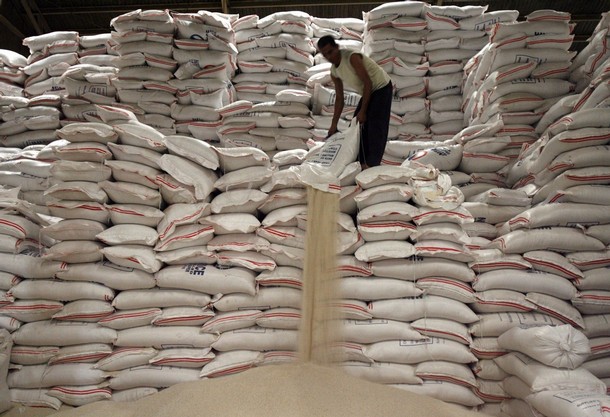
Bloomberg.com | Rice may double in price - to more than $1,000 a metric ton as dry El Nino weather shrinks output

Nov. 16 (Bloomberg) -- Rice prices have nowhere to go but up as drought in India and cyclones in the Philippines cripple harvests, according to the world’s biggest importer and the top exporter.

Rice may double to more than $1,000 a metric ton as dry El Nino weather shrinks output and the Philippines and India boost imports, said Sarunyu Jeamsinkul, the deputy managing director at Asia Golden Rice Ltd. in Thailand, the largest exporting nation. Prices won’t peak until March, said Rex Estoperez, a spokesman for the National Food Authority of the Philippines, the biggest importer. The agency issued a record tender for 600,000 tons last week and today called for bids for the same volume on Dec. 8 to secure grain before prices rise.

Global rice supplies are likely to be tighter than last year, when food shortages sparked riots from Haiti to Egypt, said Jeremy Zwinger, president of The Rice Trader, a brokerage and consulting company in Chico, California. Escalating food prices threaten to spark unrest in developing nations while increasing costs for beer brewer Anheuser-Busch Cos., the biggest U.S. rice buyer, and cereal maker Kellogg Co.

FULL STORY>>>>

Monday, November 9, 2009

CRANBERRIES - The Healthy Round, Red Berry

Cranberries are high in vitamin C and fiber. Filled with lots of other great nutrients, and especially high in antioxidants, cranberries fight free radicals. These tart berries have been found to contain 25 to 36 percent anthocyanosides, so you'll find most supplements containing about 25 percent of these cyanide compounds as well as quercetin, tannins and health promoting alkaloids.

Cranberries are useful in treating heart disease, lowering cholesterol, and in fighting bladder yeast infections. They are also useful for preventing plaque build up on teeth and gum disease. Cranberry has proven to be helpful for vision health, preventing retinopathy, in rheumatoid arthritis, emphysema, reducing inflammation, fighting breast cancer, prostate cancer and slowing the growth of some tumors.

A member of the same family as bilberry and blueberry. these small, round, red fruits are edible, but tart. They can be dried and eaten like raisins; they can be used to make cranberry juice, or cooked to make jelly.

Used for a very long time by North American Indians cranberries were made into a hardy dish called pemmican. Combining dried deer meat, cranberries and melted fat made one of the first convenience foods. The juice was for dye and cranberry poultices were used to draw poison away from wounds. Cranberry leaves can be made into a tea that helps prevent infection.

Today you can get a very tasty and nutritious cranberry-buffalo based food bar called Tanka Bar, made on the Pine Ridge Lakota Reservation at Kyle, SD.

You can make your own cranberry elixir by mixing 1 cup water with 1/8 cup unsweetened cranberry juice. Drink this elixir three times per day for one week every three months for the best results as a blood cleanser and health promoting liquid.

The juice used in this elixir may also help improve your ability to absorb the very important vitamin B12 that is at risk as you age and also if you are using any of the stomach acid reducing medications. This makes a good holiday season tip because of the tendency to too much at all the festivities.

Cranberries blend well with other foods like oranges, apples and pears to make tasty treats. They blend well with wild rice and are a great addition to salad greens. With a Glycemic Load at 2 and a very low inflammation rating they can be used with many food choices to enhance your health.

Holiday Cranberry Tea can be made as follows:

Put 1 package of fresh cranberries into a pot with 3 quarts of water and bring to a boil, then simmer for 30 minutes. Remove from heat and add 2 cups sugar, juice of two oranges and juice of two lemons, 12 whole cloves and 2 cinnamon sticks. Steep 1 hour or longer.

Enjoy this tea as is or use as a base for punch by adding plain club soda, cider or ???

Thursday, October 22, 2009

Indian Country Today | Restoring a traditional food plant promises a rich harvest

Ethnobotanist Linda Different Cloud-Jones, second from right, joined her students, from left, Eva Red Tomahawk, Jessica Crow Shoe, and Jean Ulmer on a hill above the Sitting Bull College Science Center, on the Standing Rock Sioux Reservation. Photo courtesy Sitting Bull College science center

By: Stephanie Woodard

FORT YATES, N.D. Oct 22, 2009 – Ethnobotanist Linda Different Cloud-Jones, Catawba, has begun the process of restoring stands of mouse bean plants on the Standing Rock Sioux Reservation, where she lives with her Hunkpapa Lakota husband and their children.

In times past, Lakota and Dakota women collected the traditional food by digging into the underground caches where mice had stored the small brown beans for the winter. As the women foraged, they sang special songs thanking the mice and explaining they were leaving corn kernels in return.

“Elders told me they sang to the mice, ‘We will feed your children in return for you feeding ours’,” said Different Cloud-Jones. Also called hog peanuts, the legume tastes like nutty limas when boiled in soup.

Nowadays, few of the plants remain on Standing Rock, which covers more than two million acres in North and South Dakota. Different Cloud-Jones, a Ph.D. candidate in ecology and environmental restoration at Montana State University in Bozeman, explained that many of the legumes, which have the scientific name Amphicarpaea bracteata, were lost in the 1950s, when the U.S. Army Corps of Engineers built a series of dams that inundated the Missouri River bottomlands, including much of Standing Rock’s acreage.

“Before that time vast, dense cottonwood forests lined the Missouri, which cuts through the reservation. Elders say that driving a horse and buggy along a road through the forest was like traveling through a dark tunnel. A. bracteata and other culturally significant plants and animals flourished under the trees. Then the water rose, and the forest was destroyed. All that food and medicine – gone.”

When Different Cloud-Jones was deciding what project to undertake for her dissertation, she asked Standing Rock elders for advice. They responded enthusiastically to the idea of plant restoration, including wholesome, delicious mouse beans. Different Cloud-Jones had personal reasons for wanting to work with that particular plant. “I was heartbroken to think my children would never taste mouse beans or see them gathered.”

However, re-establishing a plant is not a simple matter of putting seeds in the ground and waiting for them to grow. “You have to consider whether you can bring a plant back in its original location – which was not possible in this case – or in a new location. You must bear in mind the plant’s needs, in terms of water, sun and shade, and much more. And you have to think about how introducing, or re-introducing, the plant will affect other living things in that place.”

This past summer, Different Cloud-Jones collected the information necessary to make these assessments. A National Science Foundation grant allowed her to hire two assistants, Audra Stonefish and April White Hat-Blackbird, both undergraduates at Sitting Bull College, Standing Rock’s community college, where Different Cloud-Jones taught for seven years and still periodically teaches ethnobotany.

Her efforts have historical precedents, she said. “When gathering, Native women made sure valuable plants proliferated by disseminating their seeds and replanting root segments and bulb offshoots. Now that we are not out there harvesting as much, the populations of many plants, including camas, prairie turnips, and sweetgrass, have diminished.”

Next summer, she will plant A. bracteata, though she won’t harvest beans during that growing season. “I need to see if the plants can propagate themselves. I also want to look at the role of mice. They probably don’t eat everything they place in their caches. If what they leave behind sprouts, their activity contributes to replanting.”

An unforeseen offshoot of Different Cloud-Jones’ work has been the additional projects devised by her assistants. White Hat-Blackbird is studying invasive plant species on Standing Rock, while Stonefish is gathering data to uncover why one of the reservation’s largest stands of hawthorn trees, a source of traditional heart medicine, is dying.

“They will present their research at upcoming science and education conferences,” Different Cloud-Jones said. The two students have also seen first-hand how Different Cloud-Jones, a Native woman like themselves, does research, consults with her Montana State doctoral committee, and seeks advice from mentors. “Now they know what getting an advanced degree entails and plan to do so themselves. That’s another benefit of this project – another way our traditional plants are taking us into the future.”